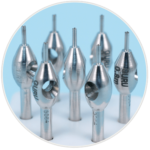
 FUE Punch – best hair transplant punch
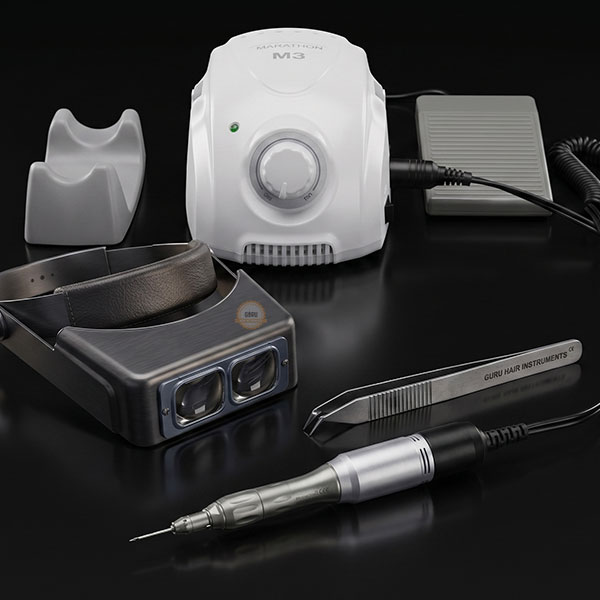
Essential Hair Transplant Instruments: Tools Behind Successful Hair Restoration Procedures
Hair transplantation has evolved into a highly precise medical procedure that relies on advanced instruments and skilled surgical techniques. Whether performing Follicular Unit Extraction (FUE) or Follicular Unit Transplantation (FUT), surgeons depend on specialized tools to achieve optimal graft survival and natural-looking outcomes.
In this article, we explore the essential hair transplant instruments used throughout the procedure and their importance in delivering successful results.
1. FUE Punch
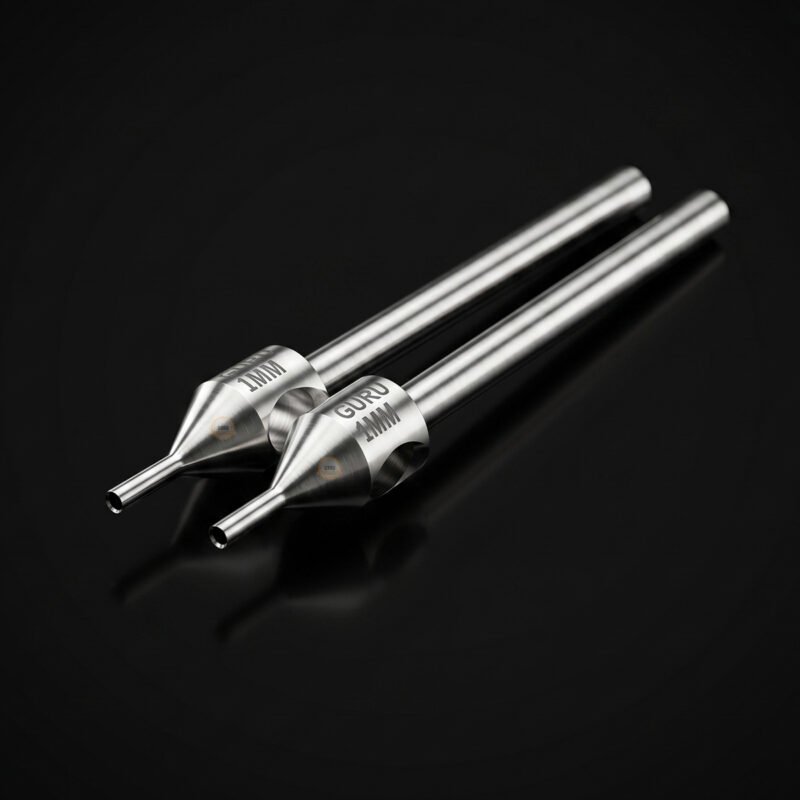
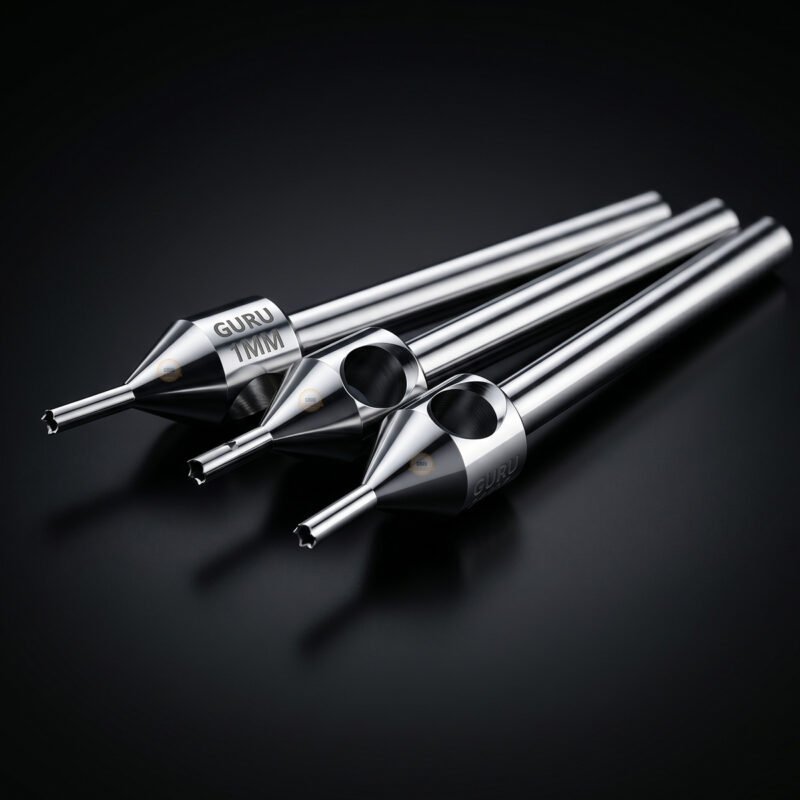
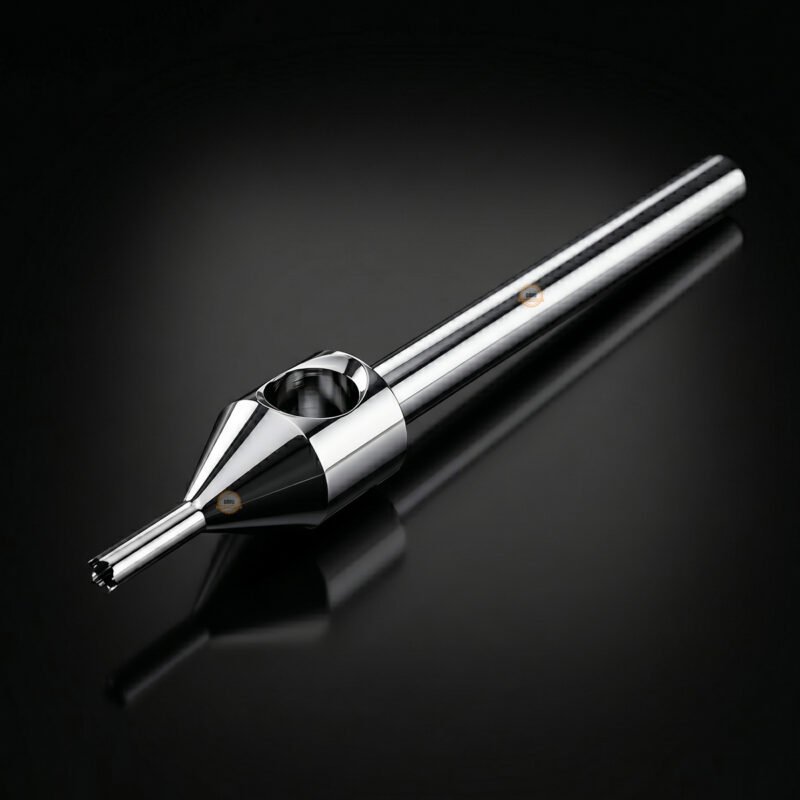
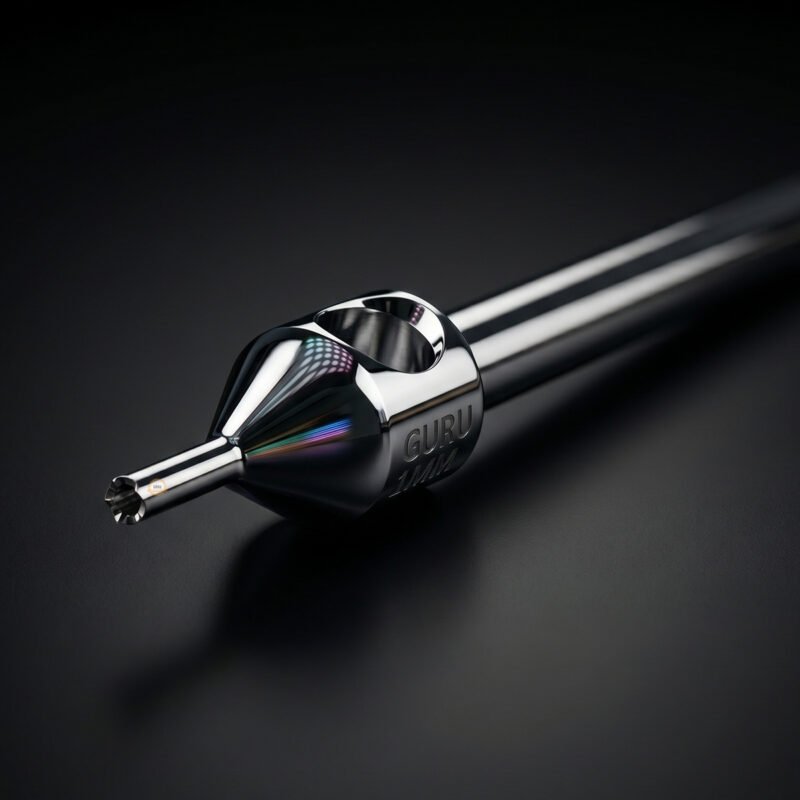
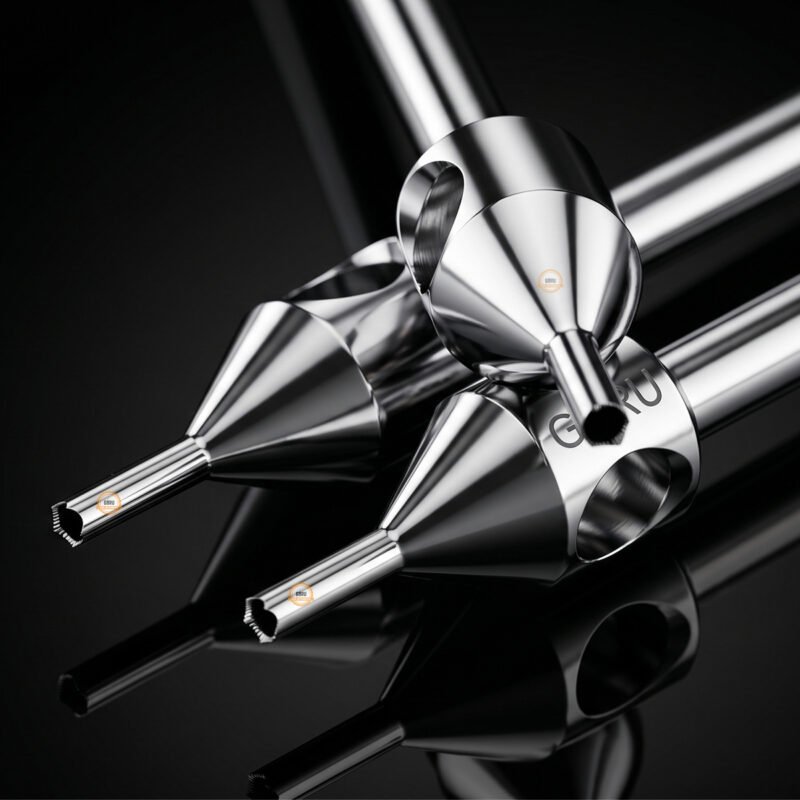
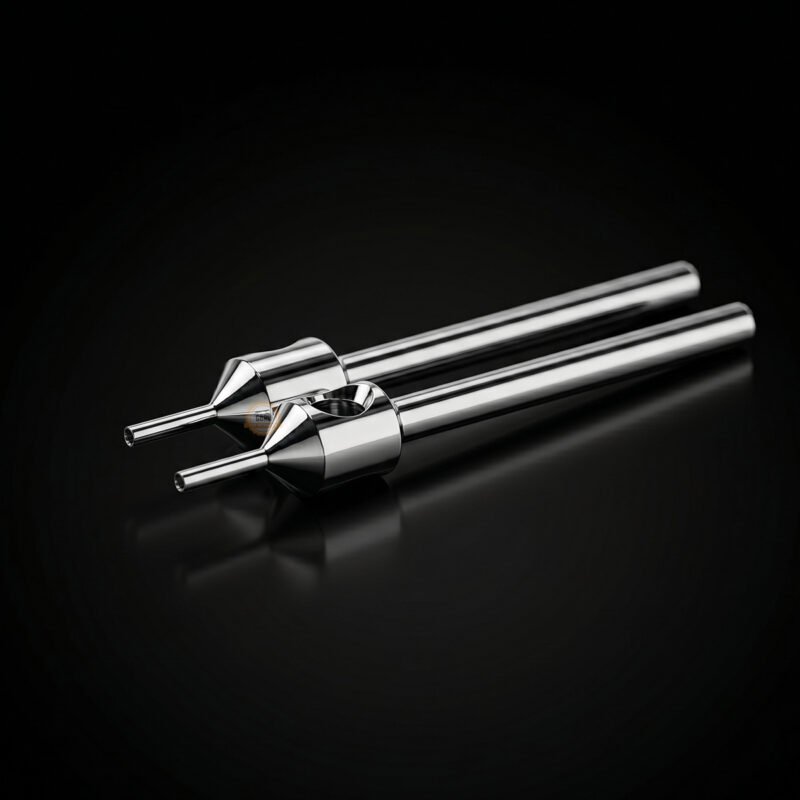
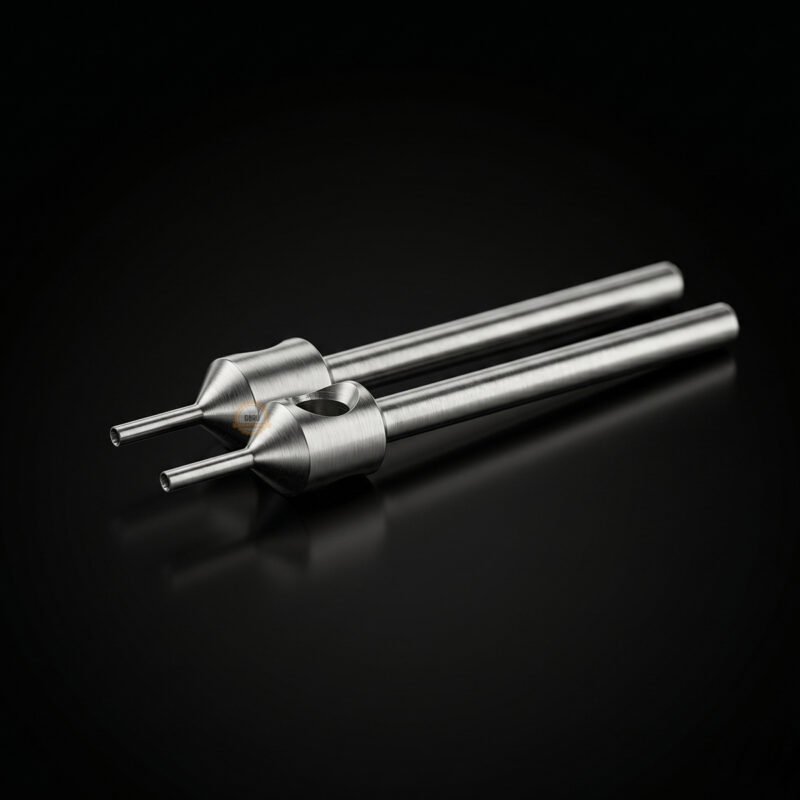
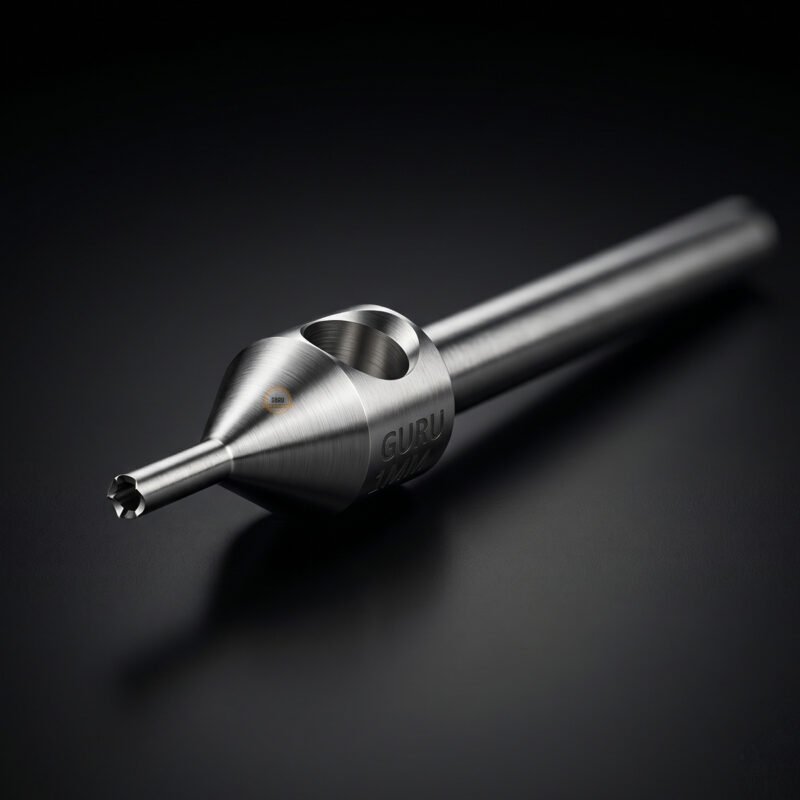
The FUE punch is one of the most critical instruments in modern hair transplantation. It is used to extract individual follicular units from the donor area with minimal tissue trauma. Available in sharp, dull, and hybrid designs, FUE punches help surgeons harvest healthy grafts while reducing scarring.
Benefits:
- Precise follicle extraction
- Minimal scarring
- Faster healing time
- Improved graft quality
2. Implantation Pen
Implantation pens are designed to place hair grafts directly into the recipient area. These instruments allow surgeons to control the depth, angle, and direction of each graft, contributing to a natural hairline and dense coverage.
Advantages:
- Reduced graft handling
- Increased implantation accuracy
- Enhanced graft survival rates
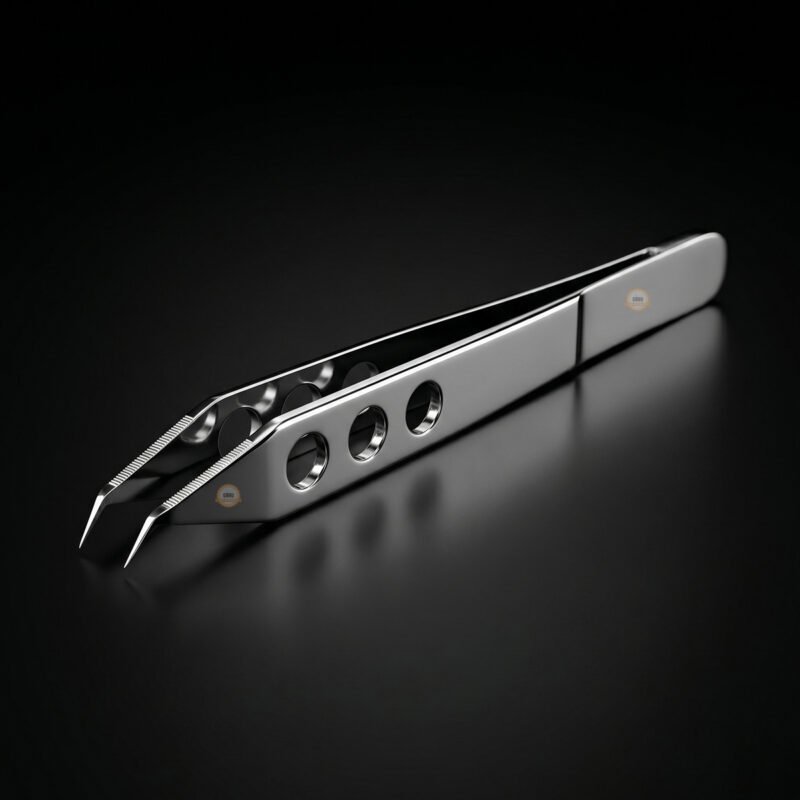
3. Forceps
Hair transplant forceps are used to carefully handle and transfer follicular grafts during extraction and implantation. High-quality forceps are designed to minimize damage to delicate hair follicles.
Key Features:
- Fine-tip precision
- Lightweight construction
- Reduced graft trauma
4. Sapphire Blade
Sapphire blades are commonly used to create recipient sites in advanced FUE procedures. Their ultra-sharp edges produce smaller, more precise incisions compared to traditional steel blades.
Benefits:
- Faster healing
- Reduced tissue damage
- Natural-looking hair growth patterns
5. Graft Storage Solutions and Trays
Maintaining graft viability is essential during transplantation. Specialized graft storage trays and preservation solutions help keep follicles hydrated and healthy until implantation.
Importance:
- Preserves follicle integrity
- Supports higher graft survival
- Improves overall results
6. Microsurgical Scissors
Microsurgical scissors are used for delicate tissue preparation and graft dissection. Their precision allows surgeons to work efficiently while minimizing damage to surrounding tissues.
7. Magnification Systems
Modern hair transplant procedures often utilize surgical loupes and microscopes to improve visibility. Enhanced magnification enables accurate graft preparation and placement.
Benefits:
- Improved precision
- Better graft handling
- Enhanced surgical outcomes
Choosing Quality Hair Transplant Instruments
The quality of surgical instruments directly influences procedural efficiency and patient results. Clinics should invest in durable, precision-engineered tools manufactured from medical-grade materials to ensure reliability and performance.
Conclusion
Hair transplant success depends not only on surgical expertise but also on the quality and precision of the instruments used throughout the procedure. From FUE punches and implantation pens to sapphire blades and forceps, every tool plays a vital role in achieving natural, long-lasting hair restoration results.
By understanding these essential instruments, patients and professionals can better appreciate the technology and craftsmanship behind modern hair transplantation.