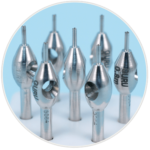
 FUE Punch – best hair transplant punch

Setting up or upgrading a hair transplant clinic requires careful selection of instruments and equipment. One of the most common questions among doctors, clinics, and hair restoration professionals is: How much does hair transplant equipment cost?
The answer depends on the type of procedure performed, the quality of the instruments, the technology required, and whether you are building a basic setup or a more advanced FUE or DHI hair transplant facility.
At Guru Hair Instruments, we supply professional hair transplant instruments and equipment for clinics, doctors, hospitals, and distributors worldwide. Our product range covers instruments used for graft extraction, recipient-site creation, implantation, graft handling, temperature management, and hairline designing.
This guide explains the major factors affecting hair transplant equipment cost and the instruments commonly required for a professional clinic.
What Determines Hair Transplant Equipment Cost?
There is no single fixed price for a complete hair transplant setup. The total investment depends largely on the equipment selected and the clinic’s requirements.
A basic clinic may initially require essential manual instruments such as FUE punches, extraction forceps, implantation forceps, blade holders, needle holders, and graft-handling accessories.
An advanced clinic may additionally invest in equipment such as micromotors, KEEP implanters, graft chilling devices, laser hairline devices, magnification systems, and other specialized instruments.
The final cost can therefore vary significantly depending on the configuration.
Essential Hair Transplant Equipment and Instruments
1. FUE Punches
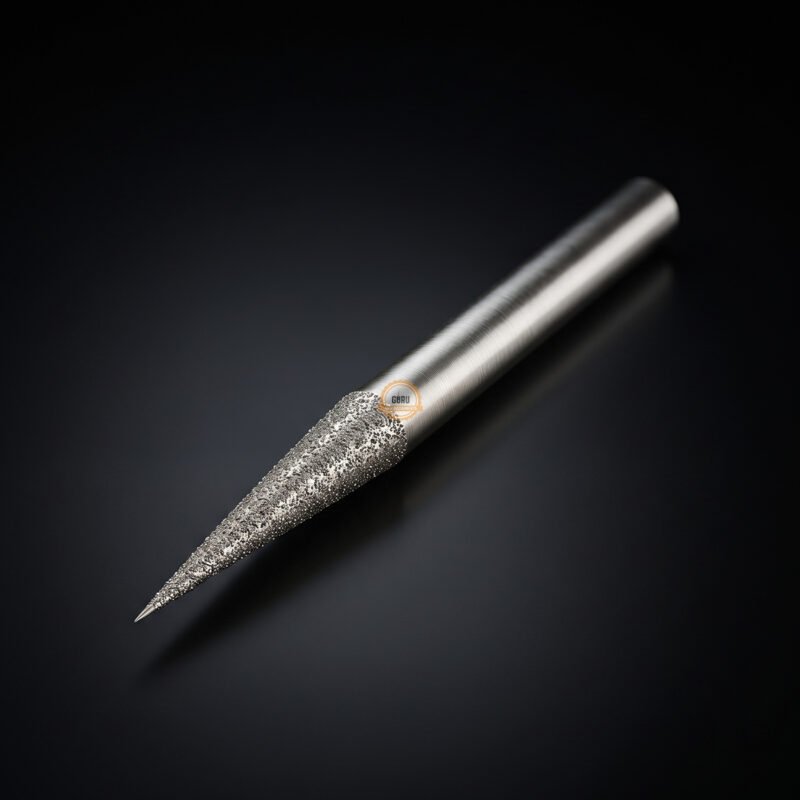
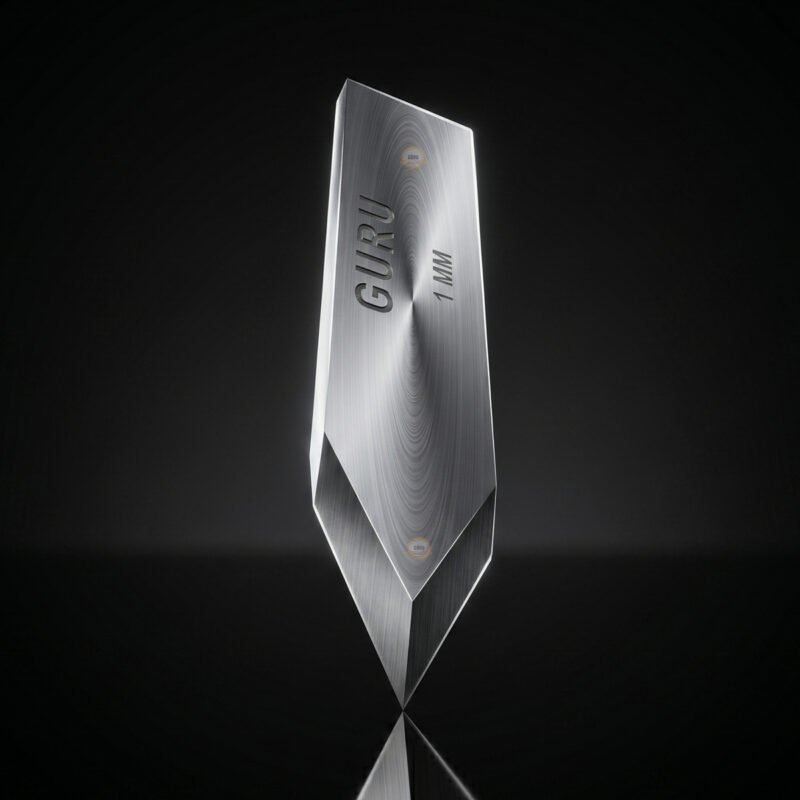
FUE punches are among the most important instruments used during Follicular Unit Extraction procedures. They are available in different diameters and designs according to the surgeon’s technique and graft requirements.
Common options include:
- Sharp FUE punches
- Serrated FUE punches
- Different punch diameters
- Specialized punch designs for different extraction techniques
Punch quality, edge geometry, material, and manufacturing precision can influence the price.
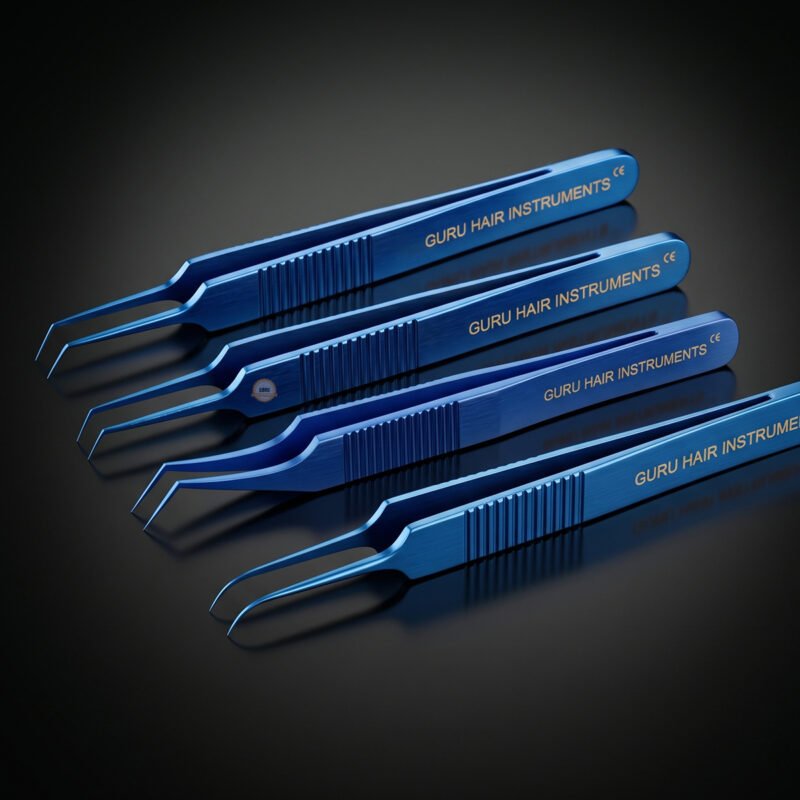
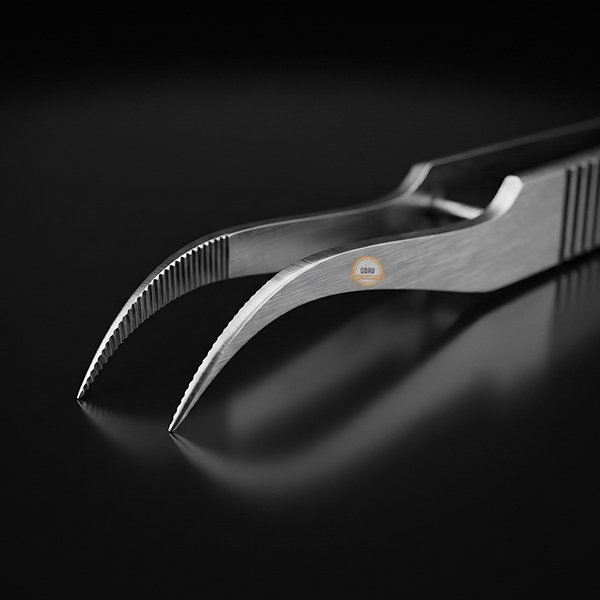
2. Hair Transplant Extraction Forceps
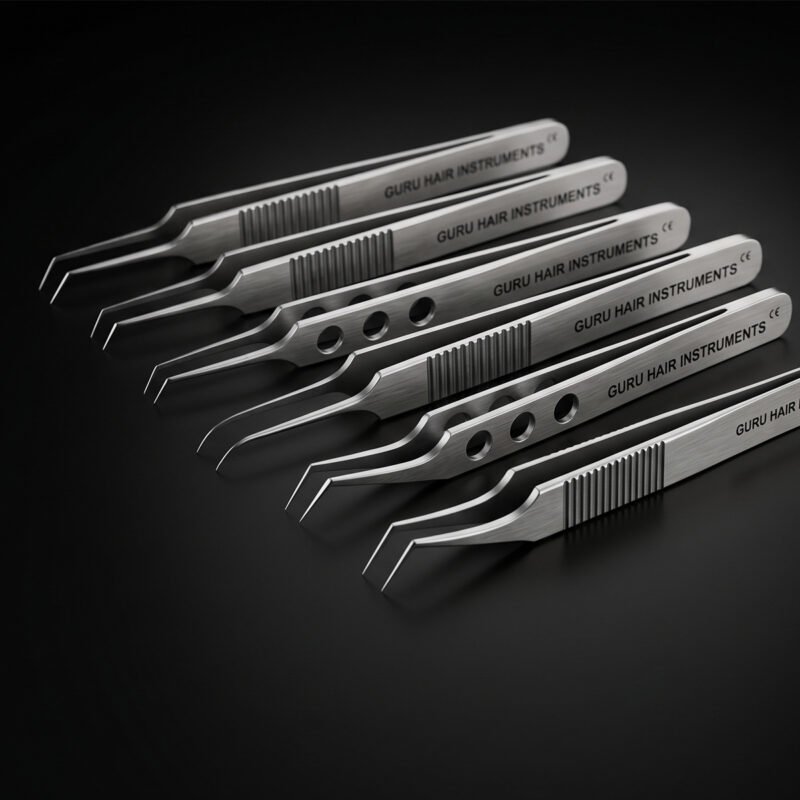
Extraction forceps are designed to assist with the handling and extraction of follicular units. Clinics may require several forceps designs depending on their preferred technique.
Common options include straight, curved, serrated, capsular, Adson-style, and other specialized extraction forceps.
High-quality forceps should provide precise handling and a comfortable grip for professional use.
3. Implantation Forceps
Implantation forceps are used during graft placement and are available in different tip configurations.
Depending on the surgeon’s technique, a clinic may select angular, curved, Z-type, or other specialized implantation forceps.
Clinics generally purchase multiple forceps so instruments can be rotated during procedures and sterilization cycles.
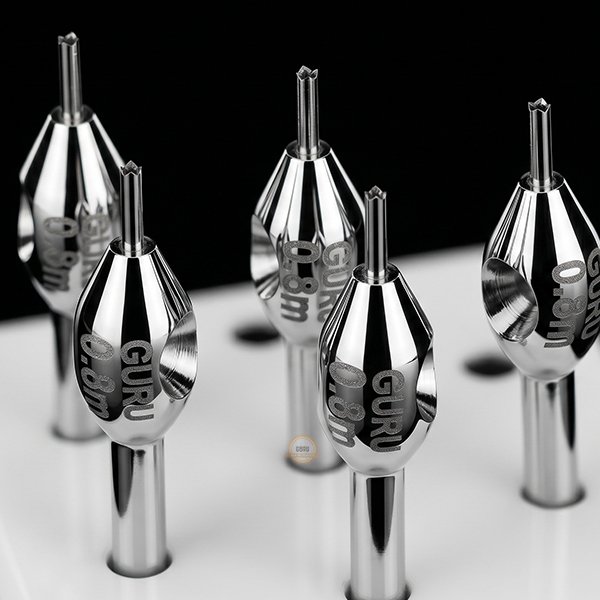
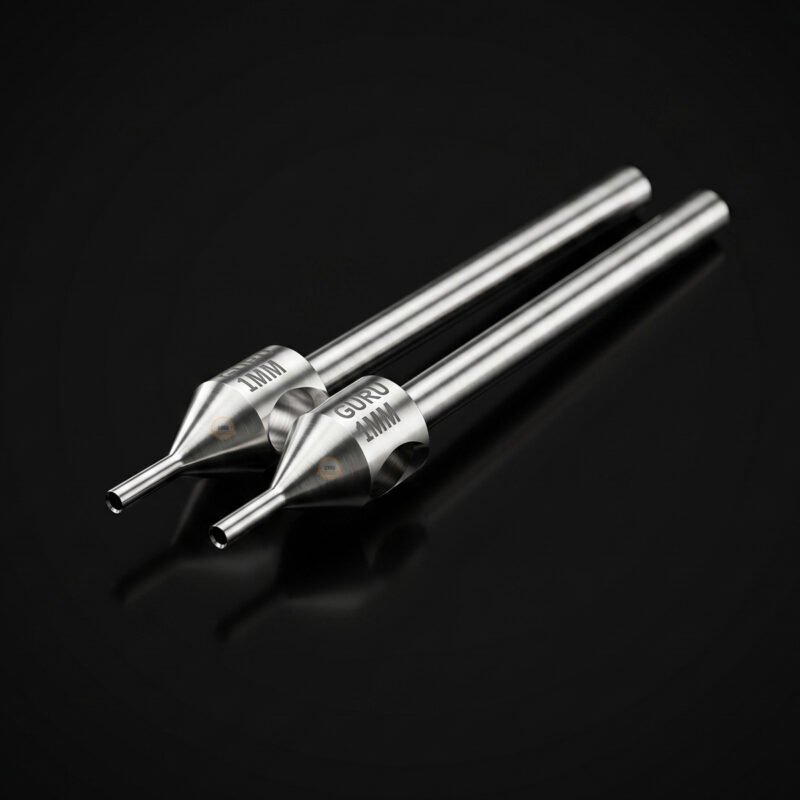
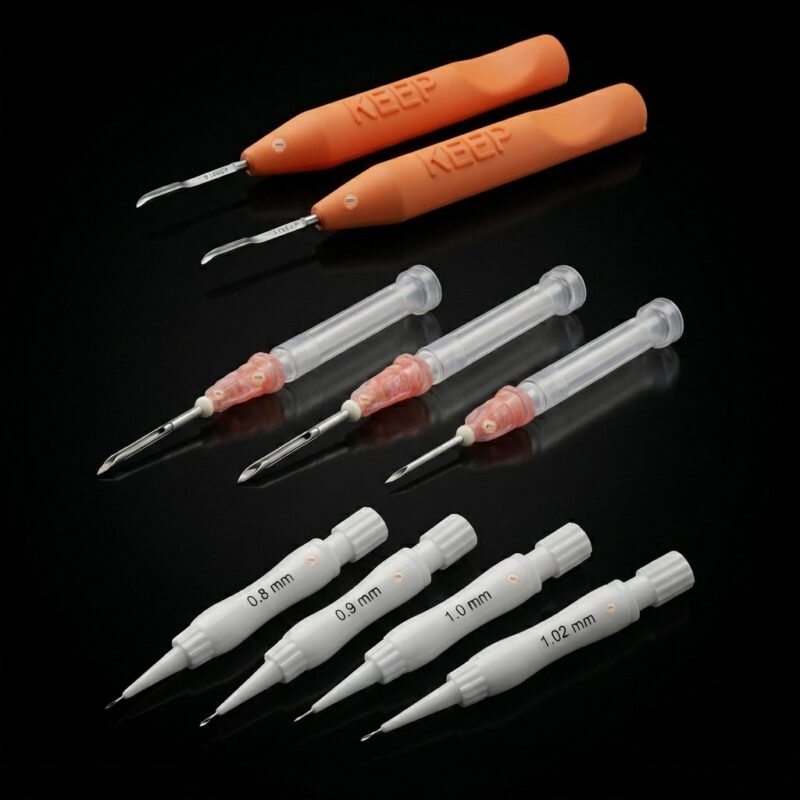
4. KEEP Implanter
The KEEP Implanter is another option for graft implantation. Different diameters can be selected according to graft characteristics and recipient-site requirements.
Common sizes include:
0.7 mm, 0.8 mm, 0.9 mm and 1.0 mm
The required size and number of implanters can affect the overall equipment investment.
5. Slit Blades and Blade Holders
Recipient-site creation requires precise instruments. Clinics may use different types of slit blades depending on their preferred technique.
Options can include:
- Sapphire blades
- CTS blades
- SP90 blades
- Precision slit blades
- Blade holders
A quality blade holder helps provide a secure grip and controlled handling of compatible blades during recipient-site creation.
6. Needle Holder for Slit Making
A needle holder can be used for recipient-site creation when the surgeon prefers a needle-based technique.
The holder provides a secure grip on the needle and can assist with setting a consistent exposed needle length according to the surgeon’s required technique.
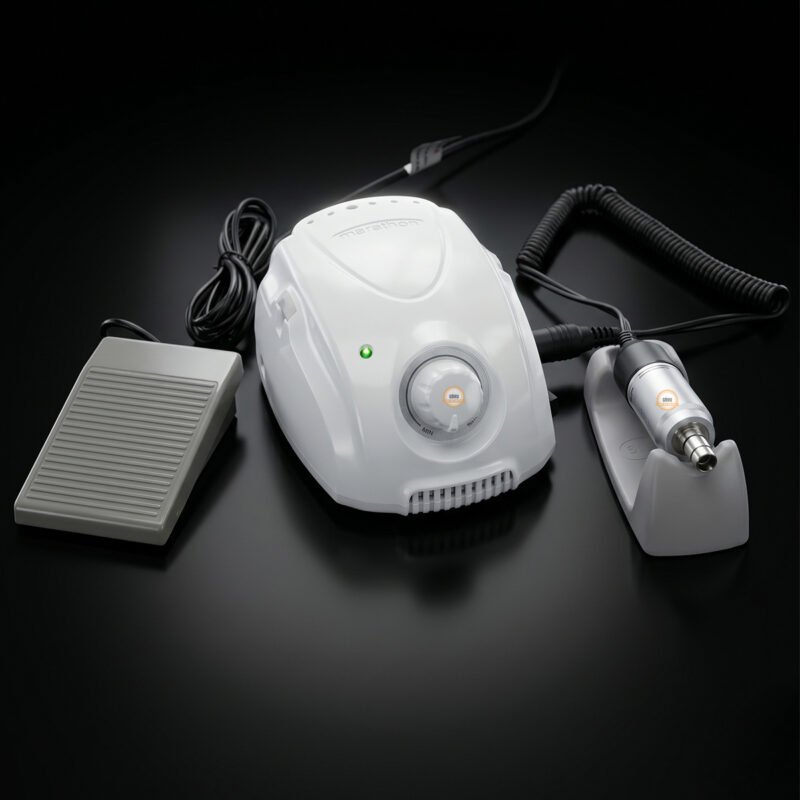
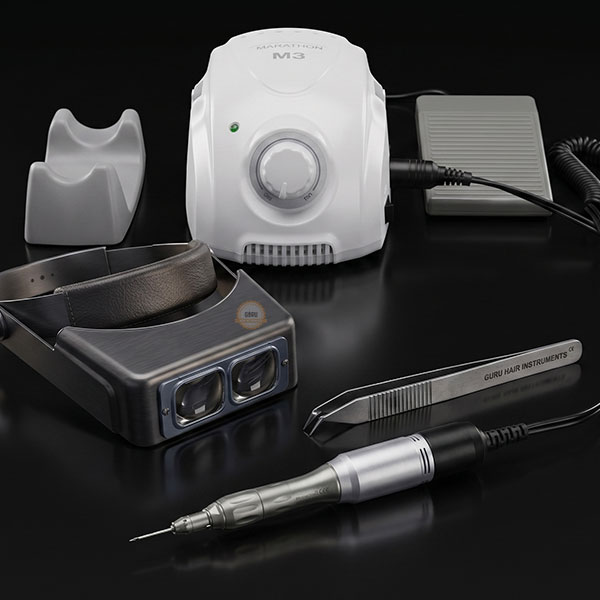
7. Hair Transplant Micromotor
A micromotor system can represent a larger part of the overall hair transplant equipment cost.
Depending on the clinic’s requirements, systems may include a micromotor control unit, compatible handpiece, foot control, and other accessories.
The price depends on the model, specifications, handpiece selection, and configuration.
8. Graft Chilling Device
Temperature management is an important consideration during graft handling.
A Graft Chilling Device / Graft Constant Temperature Machine is designed to maintain a controlled temperature around the graft retaining area during a hair transplant procedure.
Guru Hair Instruments offers single-plate and double-plate options, allowing clinics to select a configuration according to their workflow.
Compatible graft-retaining and FIFO plate options are also available.
9. Laser Hairline Device
Hairline designing is an important stage of hair transplantation.
A Laser Hairline Device can assist doctors while creating and checking hairline alignment and symmetry. It provides a visual reference that can make the hairline-designing process more systematic.
For clinics looking to upgrade their consultation and hairline-design workflow, this can be a useful addition to the equipment setup.
10. Magnification Equipment
Magnification can support professionals during detailed hair transplant work.
Depending on the clinic’s workflow, magnification equipment may include:
- Optivisors
- Surgical loupes
- Other magnification accessories
The cost varies according to magnification level, build quality, and configuration.
11. Graft Handling Accessories
A complete setup also requires smaller instruments and accessories that are sometimes overlooked when calculating the total budget.
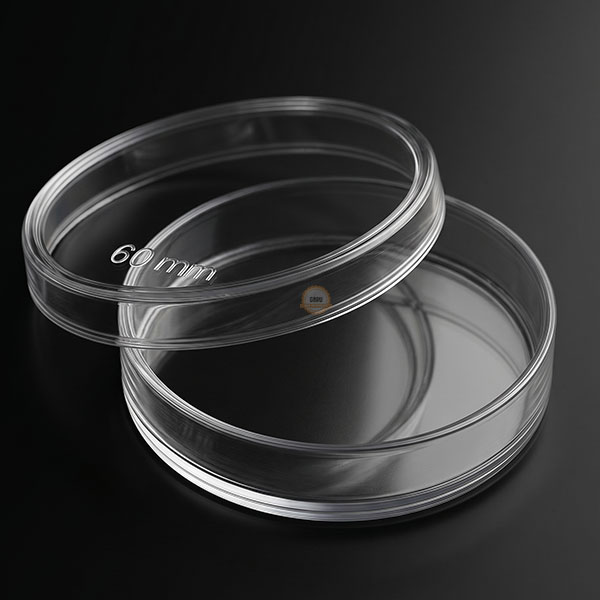
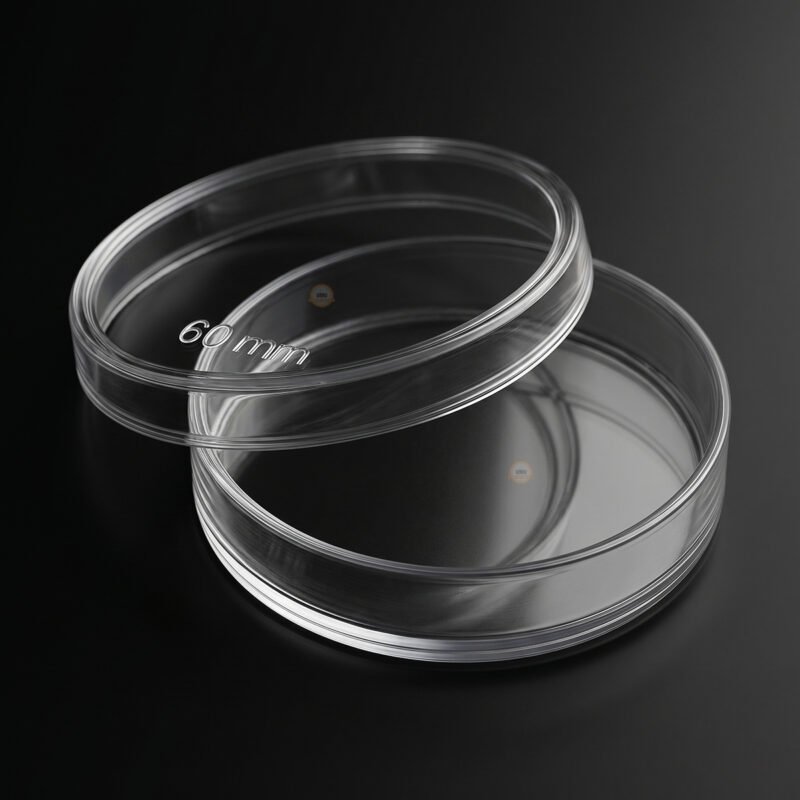
These may include Petri dishes, graft retaining plates, FIFO plates, handles, hairline markers, skin vibrators, and other procedure-related accessories.
Although individual accessories may represent a smaller investment, purchasing a complete range should be included when calculating the overall clinic setup cost.
Basic vs Advanced Hair Transplant Equipment Setup
A basic setup can focus on essential manual instruments required for extraction, recipient-site creation, implantation, and graft handling.
An advanced setup can combine these manual instruments with specialized devices such as a micromotor system, graft chilling device, KEEP implanters, laser hairline device, and magnification equipment.
Instead of purchasing equipment solely according to price, clinics should consider their procedure volume, surgical technique, instrument quality requirements, sterilization workflow, and long-term requirements.
Why Instrument Quality Matters
Hair transplantation involves delicate follicular grafts and detailed surgical work. Therefore, equipment selection should not be based only on finding the lowest possible price.
Important considerations include:
- Instrument precision
- Material quality
- Ergonomic handling
- Appropriate sizing
- Compatibility with the clinic’s technique
- Cleaning and sterilization requirements
- Availability of replacement instruments and accessories
Selecting suitable equipment from the beginning can help create a more organized and professional clinical workflow.
Buy Hair Transplant Equipment from Guru Hair Instruments
Guru Hair Instruments supplies a wide range of professional hair transplant instruments and equipment for clinics, doctors, hospitals, and distributors.
Our product portfolio includes FUE punches, extraction forceps, implantation forceps, KEEP implanters, slit blades, blade holders, needle holders, graft chilling devices, laser hairline devices, micromotors, graft handling accessories, and complete hair transplant instrument kits.
Whether you are starting a new hair transplant clinic or upgrading an existing setup, equipment can be selected according to your technique, requirements, and budget.
Get a Hair Transplant Equipment Price Quote
Looking for the latest hair transplant equipment cost for your clinic?
Contact Guru Hair Instruments today.
Share your required equipment list, quantities, and delivery country with our team. We can help you select suitable instruments and provide a quotation according to your requirements.
Request our latest catalogue and price list today and build your hair transplant equipment setup with Guru Hair Instruments.
Frequently Asked Questions (FAQs)
1. How much does hair transplant equipment cost?
Hair transplant equipment cost varies depending on the instruments, devices, quantities, and clinic setup required. A basic manual instrument setup will generally require a different investment from an advanced setup containing micromotors, graft chilling equipment, implanters, and other specialized devices.
2. What equipment is required to start a hair transplant clinic?
Typical requirements can include FUE punches, extraction forceps, implantation forceps, slit blades, blade or needle holders, graft-handling accessories, magnification equipment, and other instruments. The exact setup depends on whether the clinic performs FUE, DHI, or another implantation technique.
3. Can I purchase a complete hair transplant instrument kit?
Yes. Guru Hair Instruments offers multiple hair transplant instruments and accessories that can be selected together according to the clinic’s requirements. Contact the team with your required procedure setup for suitable options.
4. Do you supply hair transplant equipment internationally?
Yes. Guru Hair Instruments supplies hair transplant instruments and equipment to customers in international markets. Shipping options, documentation, and delivery times depend on the destination country and order requirements.
5. Which FUE punch sizes are available?
FUE punches are available in different diameters and designs. The appropriate size should be selected by the medical professional according to their technique and procedural requirements.
6. Do you supply equipment for both FUE and DHI procedures?
Guru Hair Instruments supplies instruments suitable for different hair transplantation workflows, including equipment used in FUE extraction and implantation techniques.
7. Can I get a customized quotation for my clinic?
Yes. Share your required product names, quantities, and destination country with Guru Hair Instruments to receive a quotation based on your specific requirements.
8. How can I get the latest hair transplant equipment price list?
Contact Guru Hair Instruments and request the latest catalogue and price information. Providing your required equipment list and delivery location will help the team prepare a more relevant quotation.